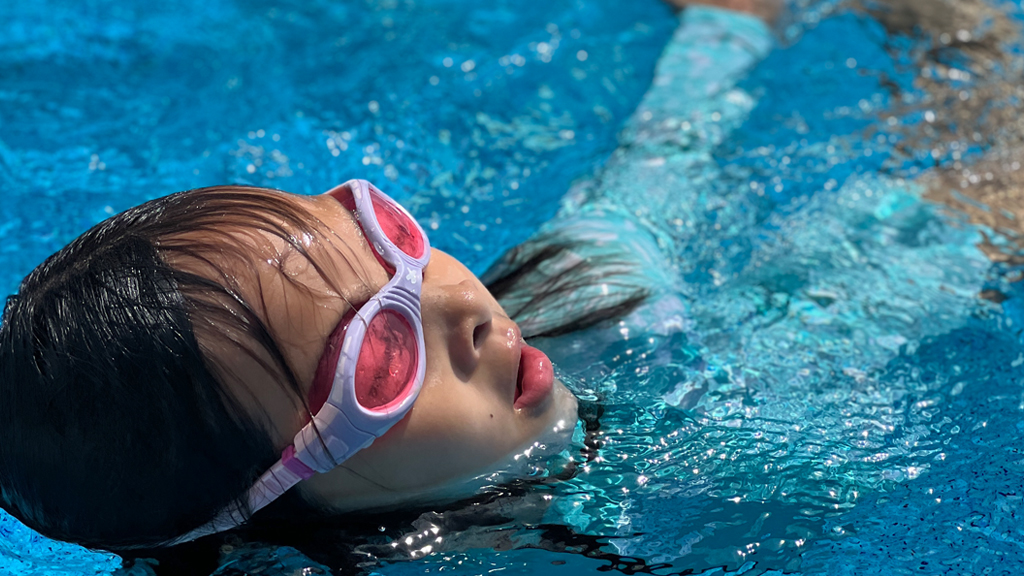
How to Support Your Swimmer
Before the lesson
- Arrive on time so your child can settle in calmly.
- Do not allow your child to enter the water without a coach’s permission – safety first.
- Parents must watch over their child at all times before and after lessons.
- If your child shows hesitation, tears, or anxiety:
- Stay patient and calm — don’t give up.
- Acknowledge their feelings (“I know you feel a bit nervous”)
- Reassure them (“Coach is here to help you”)
- Encourage them to try (“Let’s give it a go — you might enjoy it”)
- Remember: even simply coming to the pool to watch can be an important first step.
- Build excitement by talking positively about swimming beforehand and reminding them of things they enjoyed in previous lessons.
After the lesson
- Offer encouragement, no matter the day’s performance.
- Use positive phrases like:
- “I’m proud of how hard you worked today.”
- “I love how you tried something new.”
- “Tell me what you enjoyed most about class.”
- Avoid focusing only on speed or results — celebrate effort and improvement.
How you can help at home
- Encourage water play and gentle practice in a safe environment.
- Keep swim gear ready the night before to build routine.
- Reinforce key habits: listening to the coach, trying again after mistakes, and staying positive.
What if my child keeps calling in sick?
It’s normal for young children to feel hesitant about lessons sometimes. Try to identify if your child is genuinely unwell or if nerves are at play. Keeping a consistent schedule and gently encouraging them to attend helps build routine and comfort in the water.
Should my child learn in an outdoor or indoor pool?
Both have benefits! Indoor pools provide a controlled environment with consistent water temperature, making it ideal for regular lessons. Outdoor pools offer natural light and a different sensory experience, but weather conditions can affect lessons. Ultimately, choose what feels safest and most comfortable for your child.
What age should children start learning to swim?
Many children start lessons from around 18 months to 4 years old, depending on their physical readiness and comfort in water. Early exposure builds water confidence, but it’s never too late to start.
What is the best method of learning swimming for children?
There is no one-size-fits-all approach. Play-based lessons, combined with gradual skill-building and positive reinforcement, are very effective for young learners. Our certified coaches adapt techniques to each child’s personality and learning pace to ensure progress and enjoyment.
When should they stop swimming?
Swimming is a lifelong skill! There’s no age to stop. Continuing lessons or swim practice improves fitness, confidence, and water safety at any age.
My child refuses to get into the water and keeps crying. What should I do?
It’s normal for some children to feel anxious initially. Never force a child into the water. Encourage them with patience, play-based introductions, and short, positive experiences. Celebrate small steps and communicate with your coach — they are trained to gently build water confidence.
How to Help Prevent Your Child from Falling Sick After Swim Lessons?
- Towel dry thoroughly and change into dry clothes immediately after lessons.
- Wear a hoodie or warm clothes if leaving an indoor pool, or a hat and jacket for outdoor pools.
- Ensure a balanced diet rich in fruits, vegetables, and protein.
- Make sure your child gets enough sleep, especially on lesson days.
- For children who are more prone to colds, consider spacing lessons to allow the body time to recover.